
How Does a Personal Chef Handle Grocery Shopping?

For families balancing a bustling extra-curricular schedule, or the independent executive with no time to learn their way around a kitchen, hiring a private chef is often a dream scenario. The bliss of having a chef on call to conjure up your favorite meals is palpable when you're eating your first meal of the day in the late afternoon. What many people don't know is that some private chef services exist for these very reasons. Here at Olivia's Kitchen, we aim not just to make delicious meals but to take the mental and physical burden off your clients by handling the weekly planning, grocery shopping, and cooking.
What Does It Mean to Be a Personal Chef?
For a personal chef, the day-to-day will look a little starkly different from that of a chef working in a full-service restaurant. Routinely, time is spent planning meals according to each client's tastes, dietary needs, and preferences. Once finalized, the chef will go grocery shopping to pick up all the ingredients needed for meals that week. Some people are surprised to find out that grocery shopping falls under the duties of a personal chef. Would you not expect a painter to shop for their preferred painting supplies before starting on a new canvas? It's a similar expectation.

The Grocery Shopping Process, Step by Step
Going grocery shopping always involves a specific plan of attack. As stated, the chef will have an approved list of recipes their clients want to eat during the week, and from it they will create their grocery list. Often, grocery shopping may happen at several locations due to finding the freshest ingredients or dietary preferences. Some customers may prefer the brands offered at one grocery store over items found at a local market.
How Private Chefs Differ From Personal Chefs
First, it's important to note a difference in terminology. While the terms personal and private chef can be used interchangeably, private chefs typically work full-time for one family, whereas personal chefs work with multiple clients.
The distinction is important because it changes the daily habits, routines, and processes for the chef. For example, a private chef may go to the grocery store once weekly because they are cooking for the same household each day. Whereas a personal chef with multiple clients can't shop for everyone at the same time. A private chef may spend their time in the kitchen longer each day, and a personal chef might spend more time doing admin and logistics planning.
Navigating the Personal Nature of the Job
Food is a very personal choice for most people. It's often chosen by medical guidance, emotional state, time of year, or just personal preferences. But cooking is not just a job for most chefs. Cooking is an act of service, love, and care. When you spend time cooking for others professionally, you get to know customers on a deeper level. Meals are centered around routines and habits, many times, pertaining to medical diagnoses, personal belief systems, financial status, or unique preferences. Keeping this knowledge confidential and respecting their choices, especially when in public on their behalf, is paramount in building a long-lasting working relationship with your clients.

How Chefs Handle Dietary Needs, Budgets, and Substitutions
Chefs are no strangers to managing preferences. It’s the lifeblood of a personal chef: to cook food that works for you. During your initial consultation, all food restrictions or diet preferences are discussed. All meals, unless specified otherwise, will fall within those bounds.
Every chef has their own process for how they keep track of expenses when food shopping. Shopping in-season is a great way to save and stay on track, as seasonal varieties are usually most affordable during peak seasons. Learning when to save on pantry staples and when to splurge on premium items comes with time and practice. Even within a more strict budget, creativity can emerge.
Additionally, there is a delicate balance chefs play with what's planned and what the clients want to eat. The spontaneity of life, like a last-minute kids' sleepover or an unexpected visitor, can quickly cause chaos if you aren't ready to adapt.
Shopping Smart to Support Meal Prep
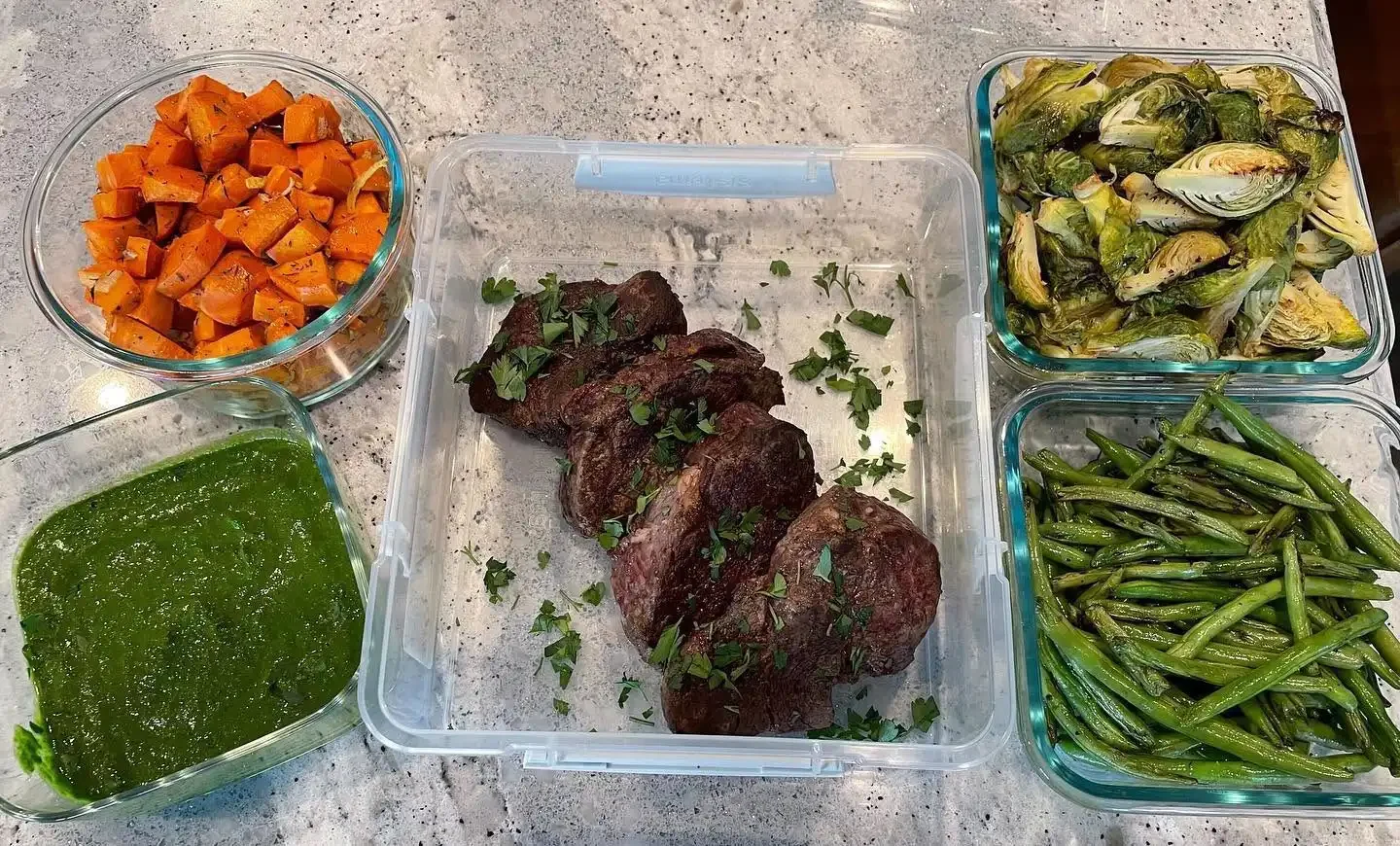
A personal chef seldom goes to the grocery store without a plan of what's on the menu for the week. After getting to know clients, many chefs get an idea of the types of recipes and food they like, which makes shopping easier over time. Shopping for bulk items used often, or pantry staples, is a great way to save money and set yourself up for success. Make a list of items by department so you are less likely to miss an ingredient or shop efficiently.
Additionally, some of the best grocery prep you can do is storing food properly. The packaging food comes in is often meant for shipping purposes, not necessarily for keeping it fresh the longest. By storing items like fresh herbs and produce in a manner that keeps them clean and crisp, you’ll reduce food waste and spend less at the grocery store.
Why Grocery Shopping Makes (or Breaks) a Personal Chef
Contrary to what most may expect, being a personal chef is more than just cooking skills. Yes, cooking is a big focus, but there is a lot to be said about a chef's ability to manage the process from grocery shopping to a plate of food. Having poor management skills, such as going over budget, using low-quality ingredients, and causing food waste, can leave customers with a poor taste in their mouths, despite how good the food may be. A streamlined, stress-free process of all the invisible work a personal chef does will show in the finished products.
